Project ALICE
2006 · Project lead and developer
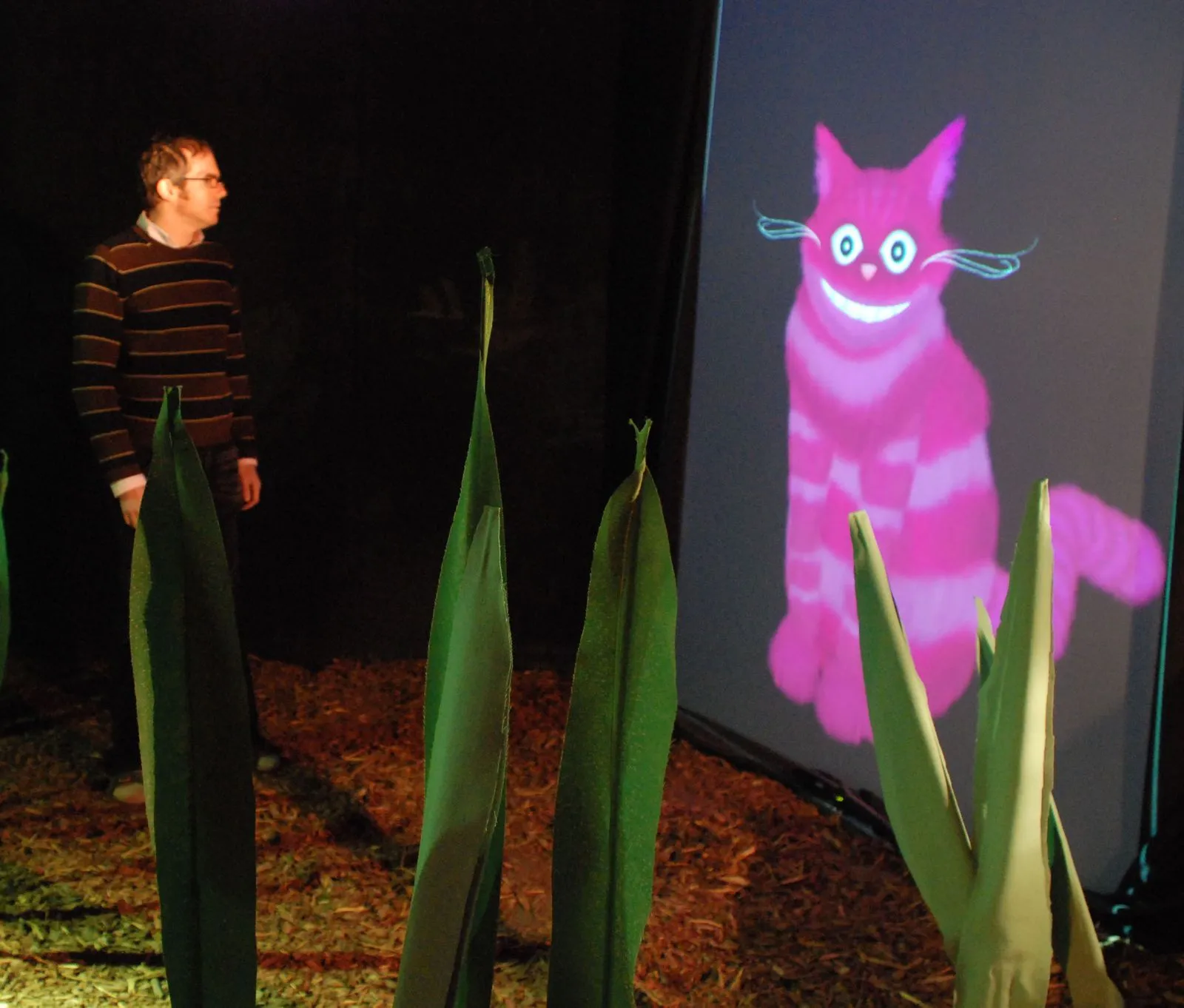
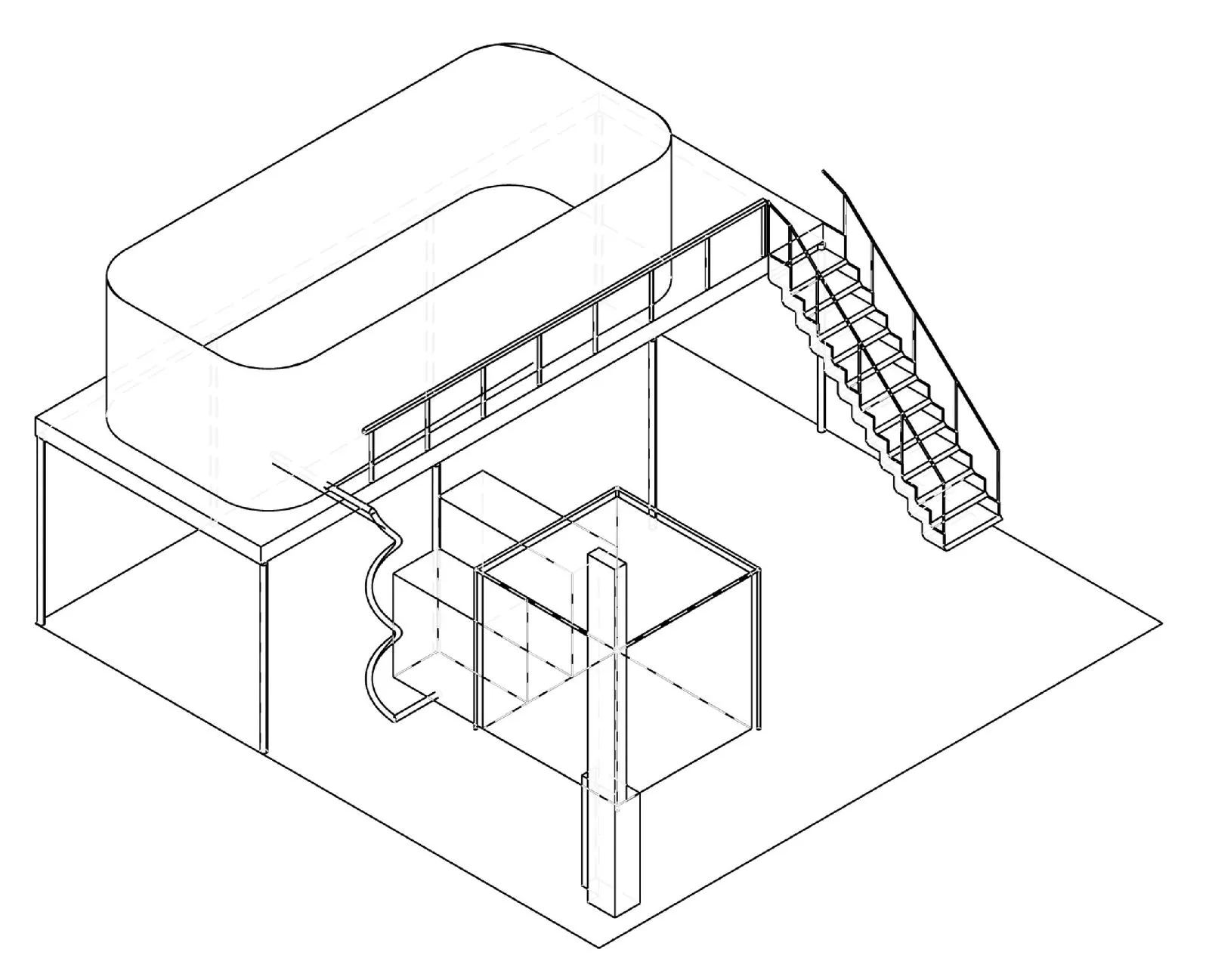
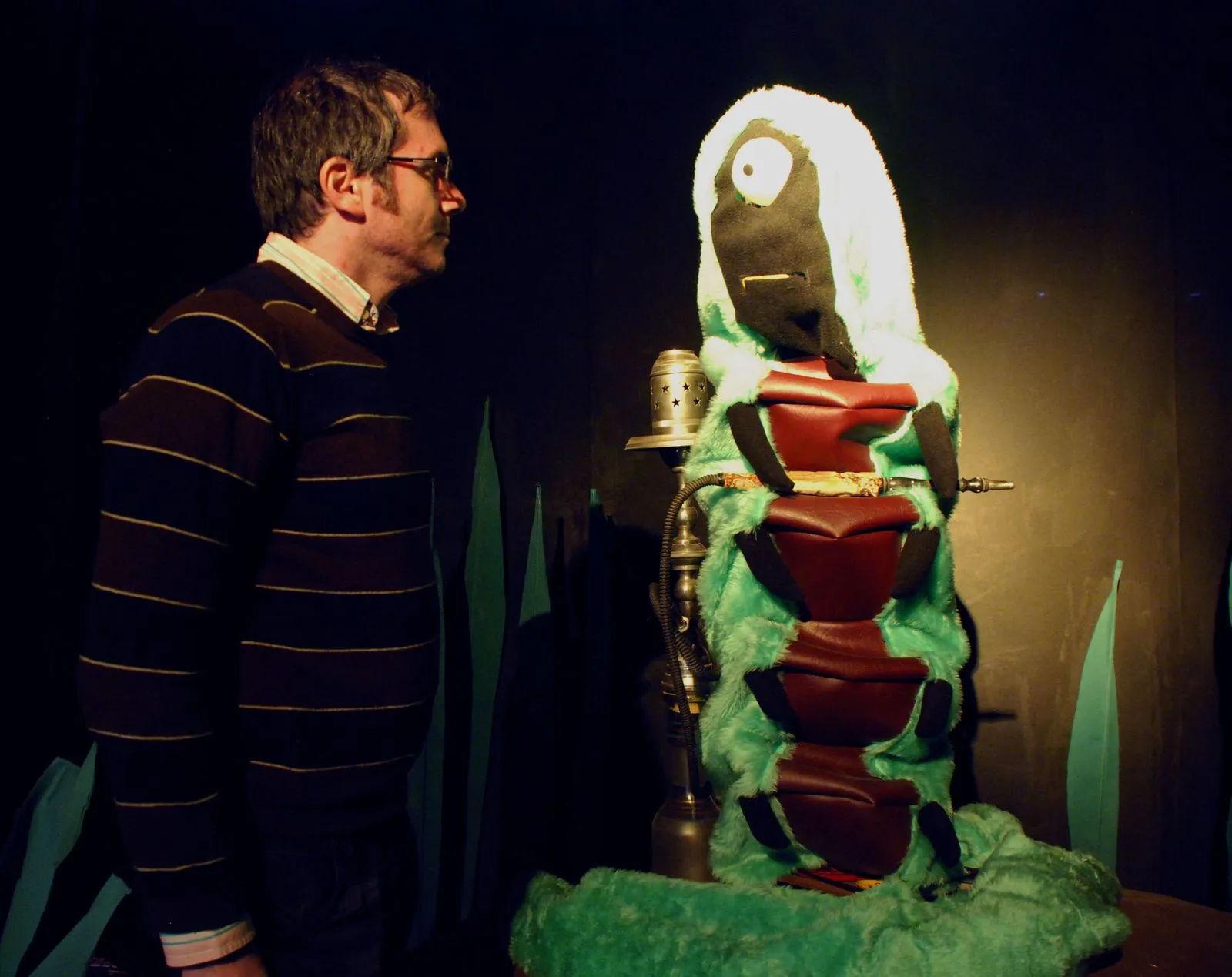
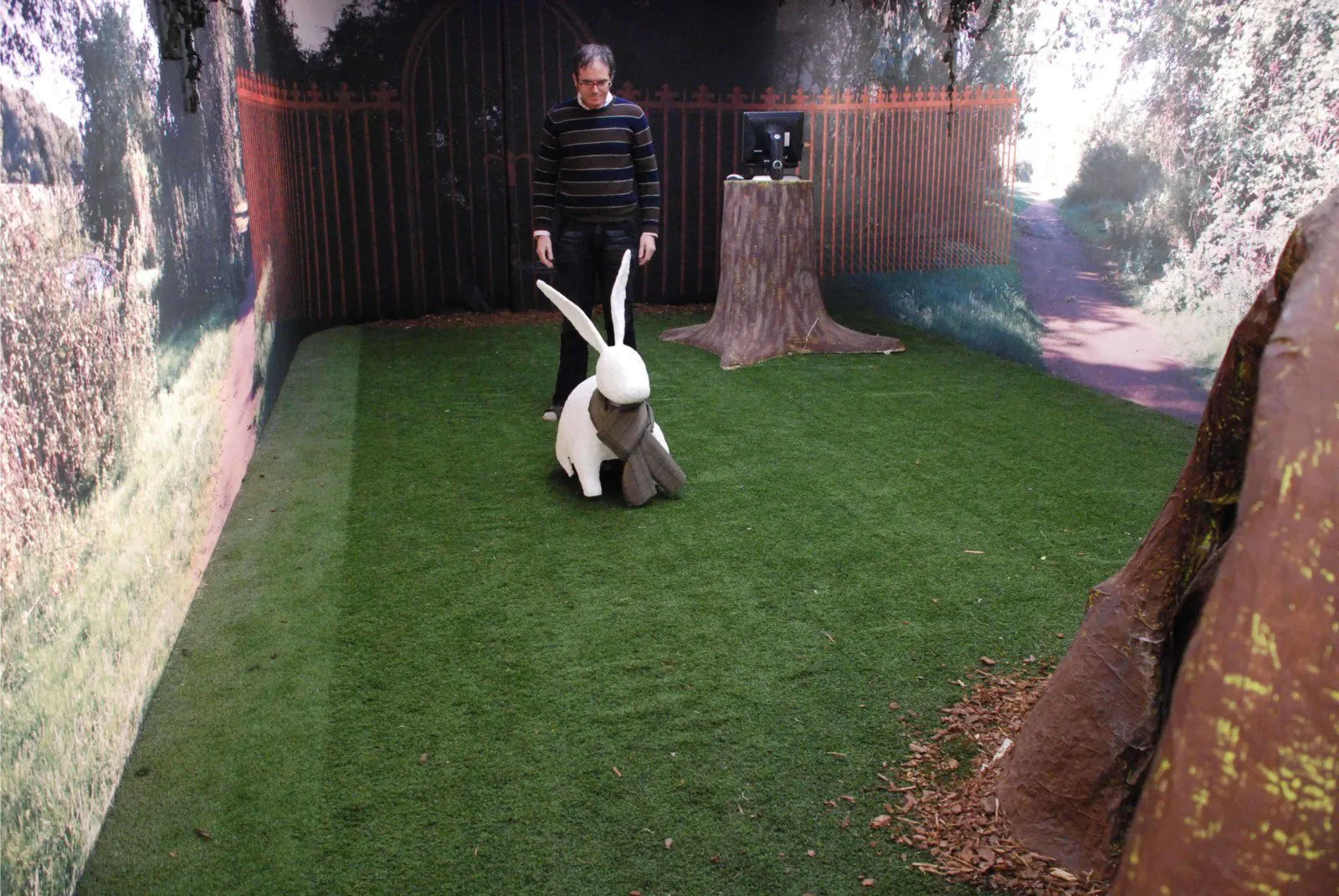
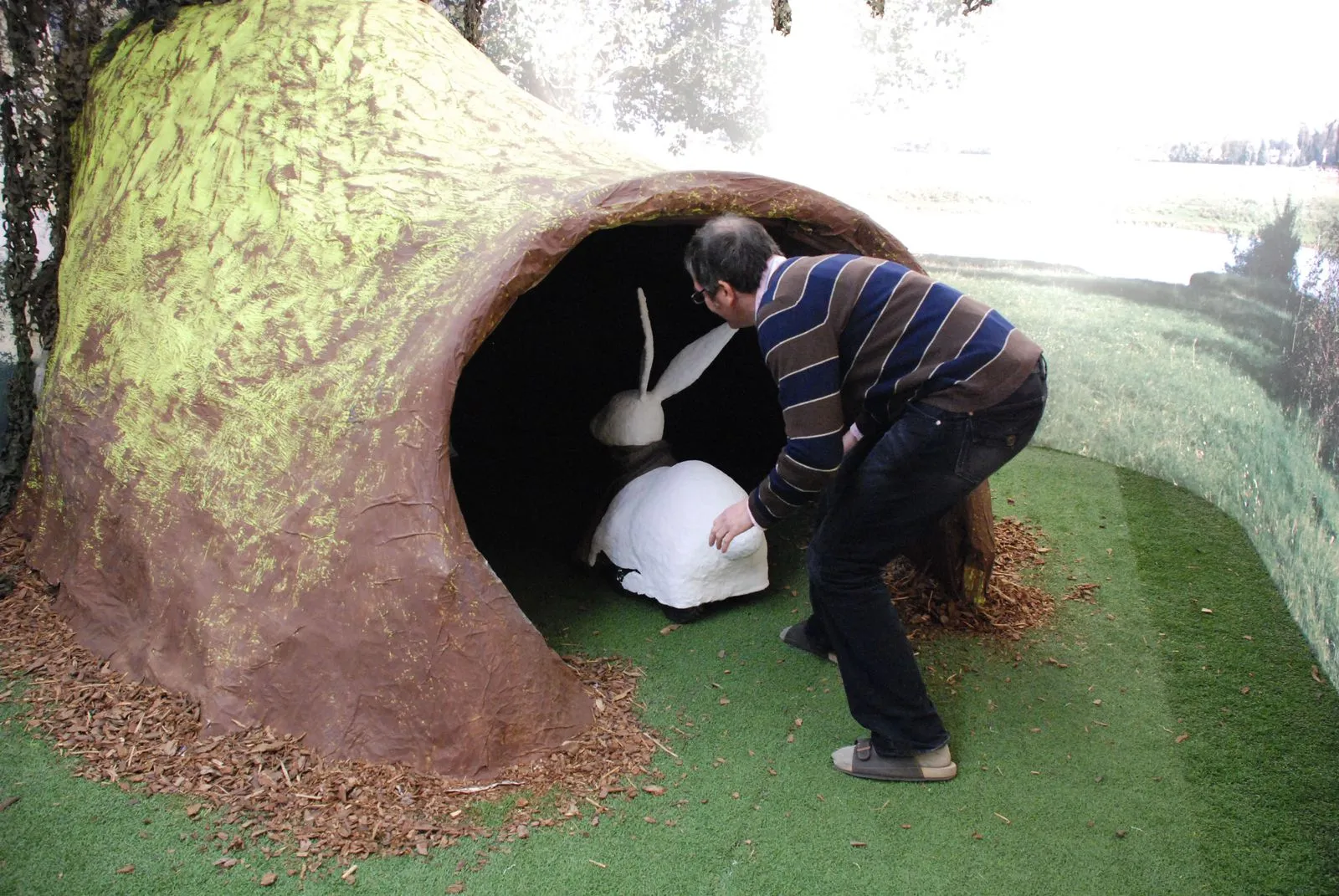
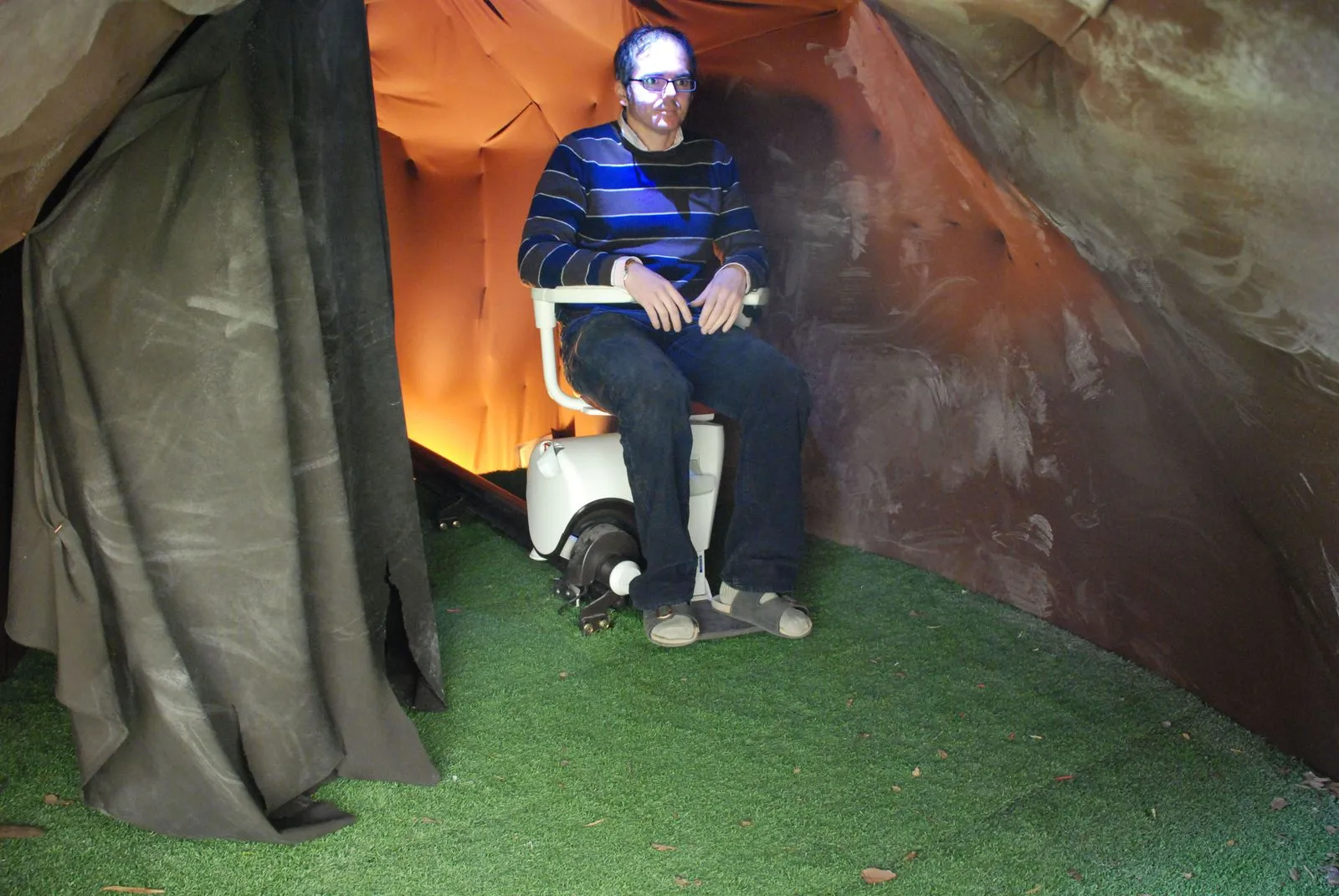
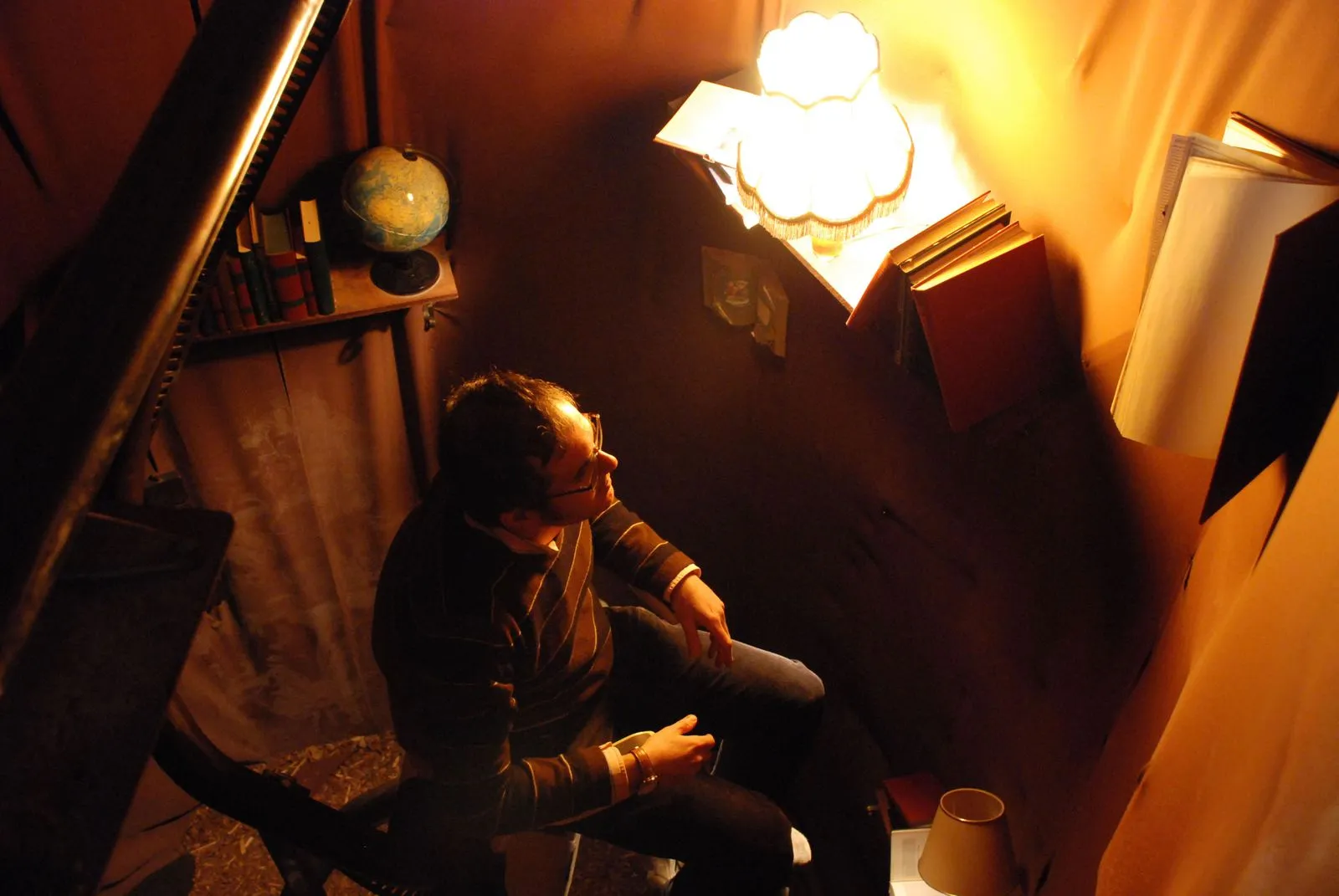
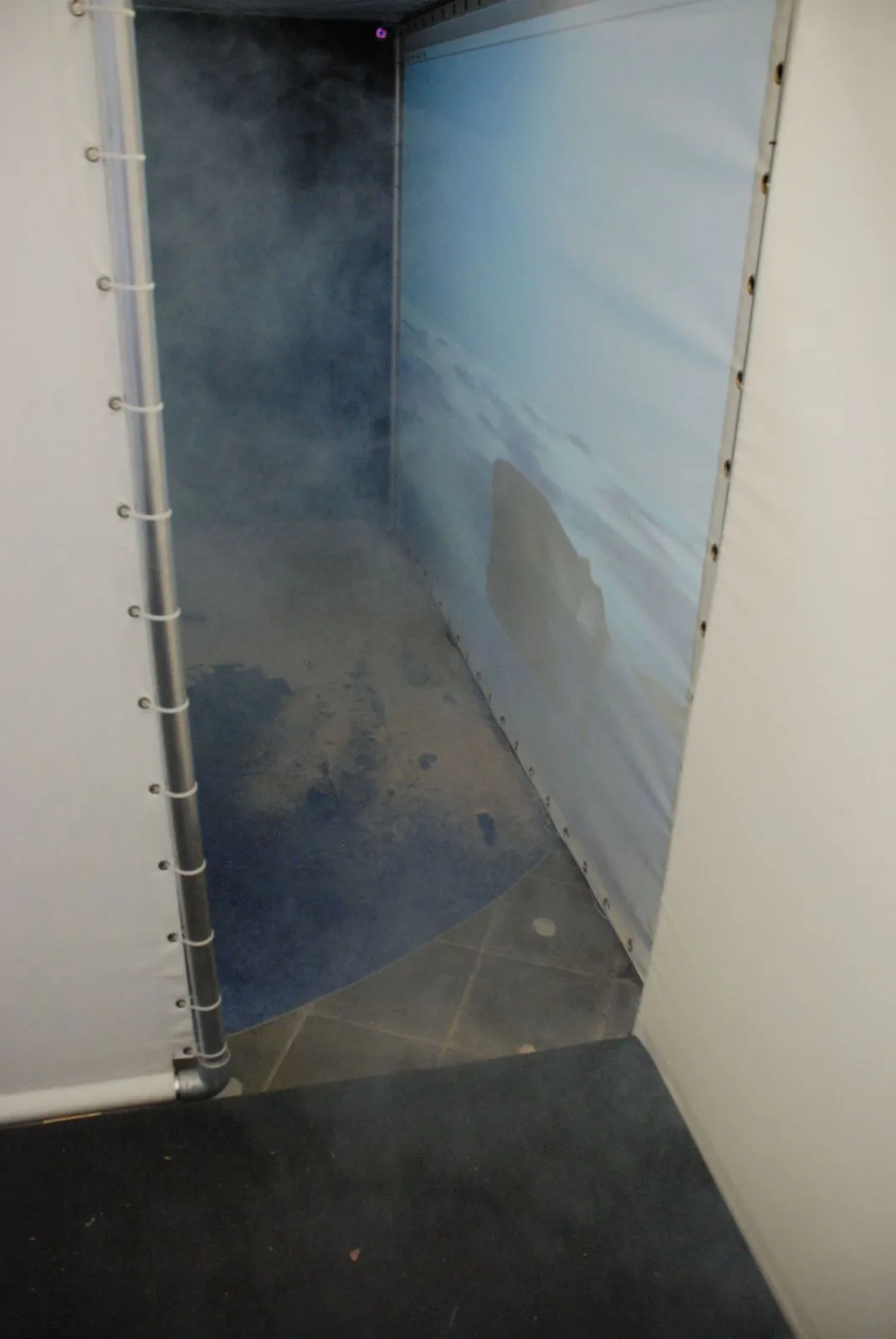
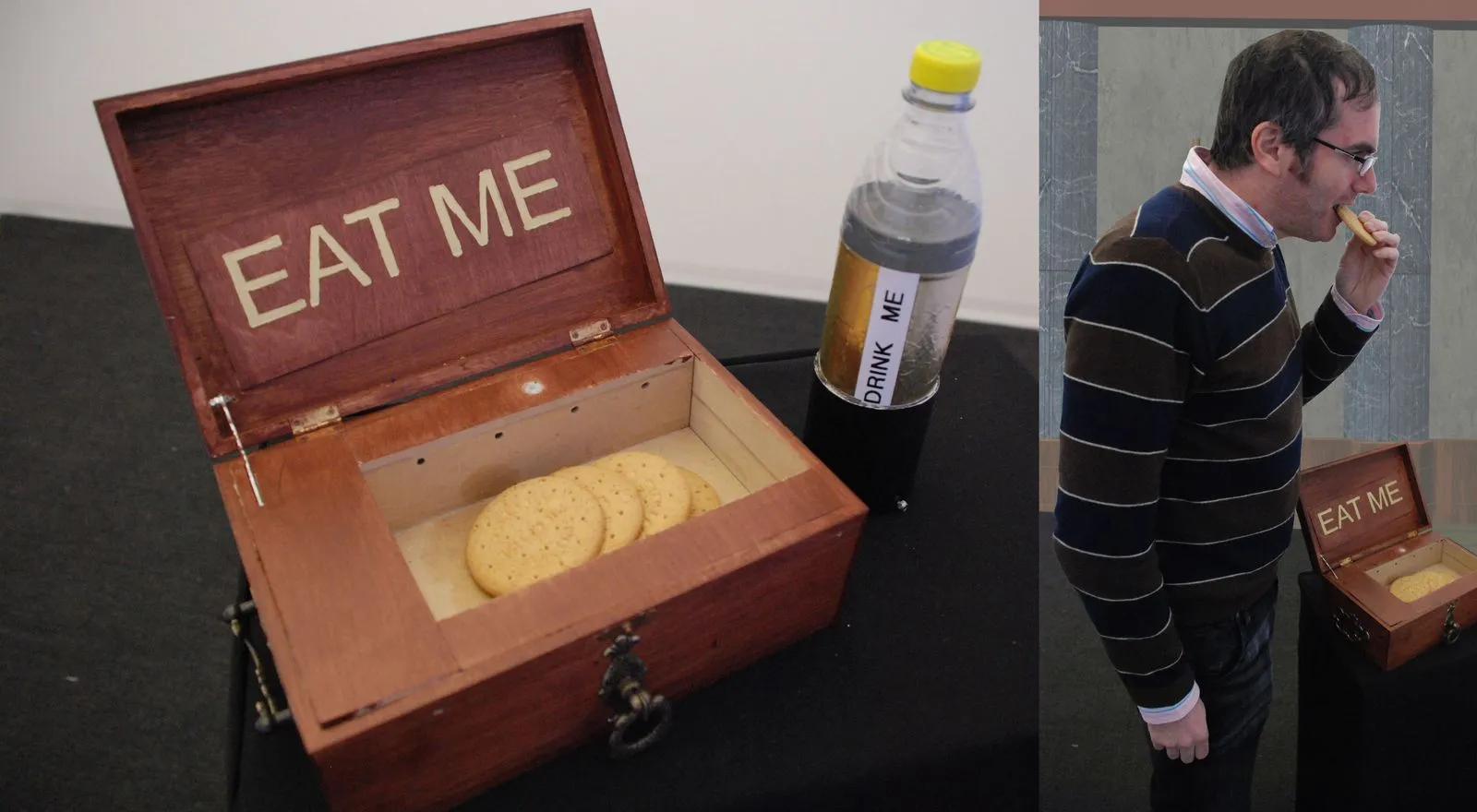
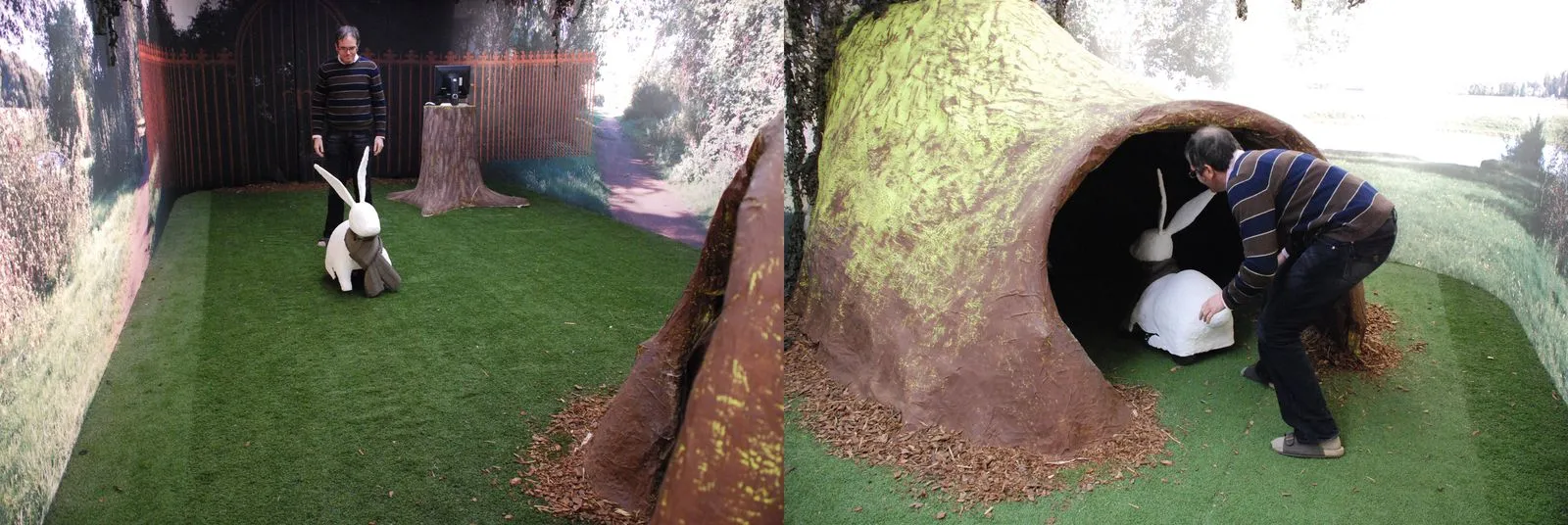
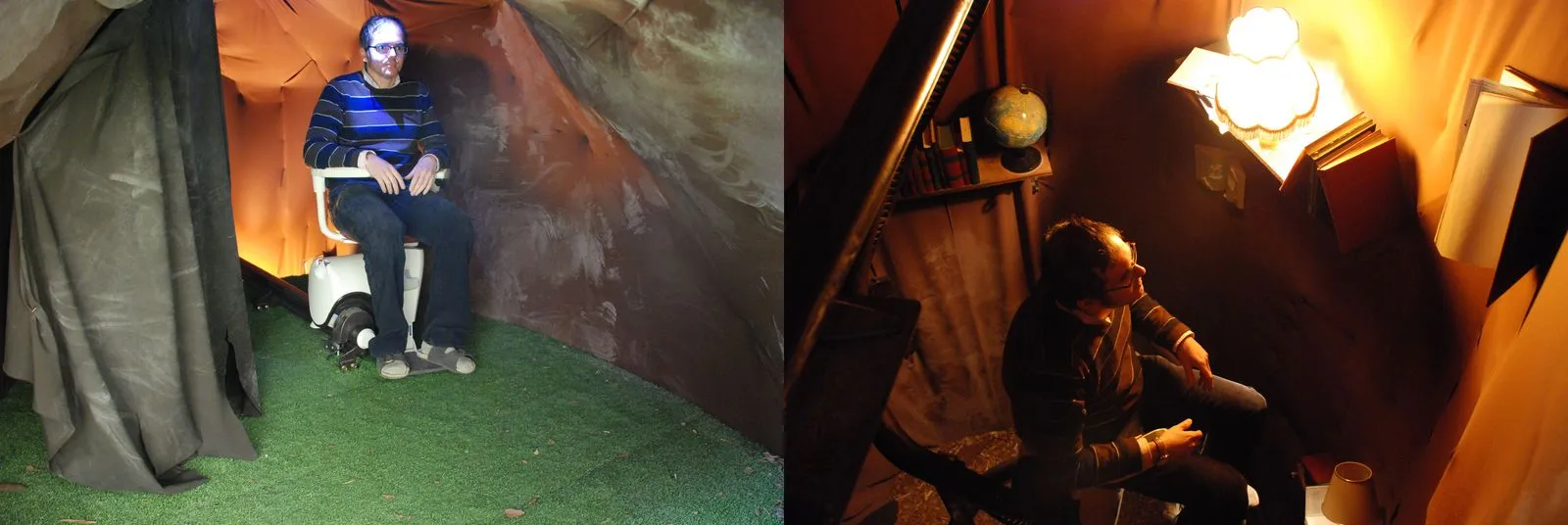
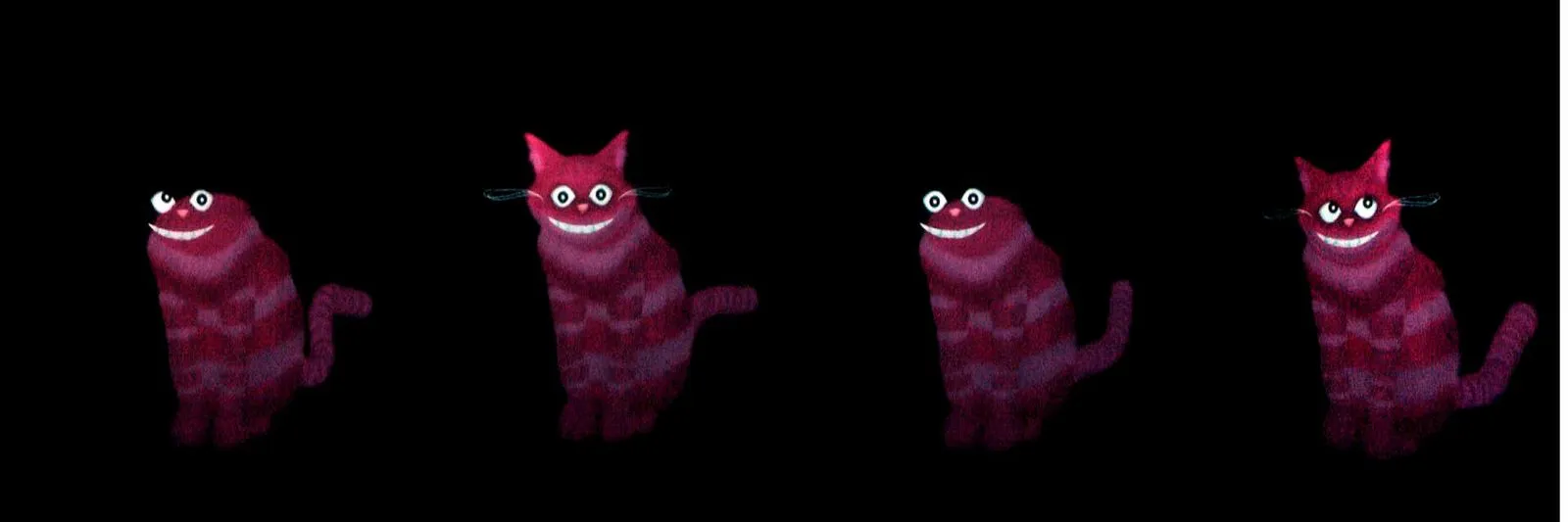

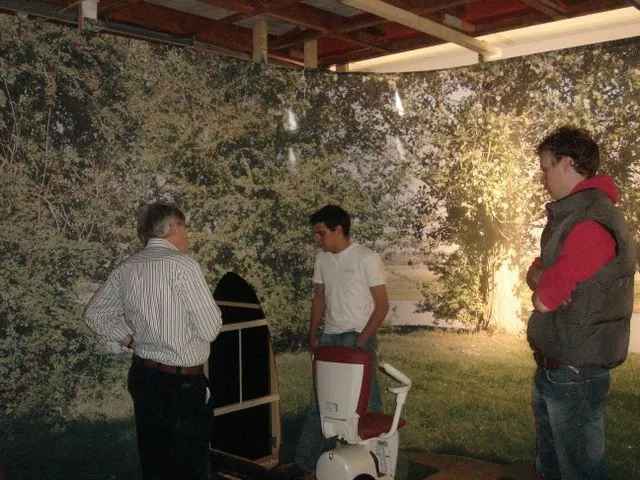

A visitor standing among oversized grass blades with the Cheshire cat projected on the wall behind.
What happens to someone who walks through Alice’s Adventures in Wonderland instead of reading it? Project ALICE was a real-life installation built to find out: a walk-through version of Lewis Carroll’s story, made for research into cultural computing. The idea was Prof. dr. Matthias Rauterberg’s.
By passing through the main stages, a visitor is assumed to undergo something like what Alice did. The expectation is that the experience is unsettling enough to change them: a view of the world, shaken up.
What I did
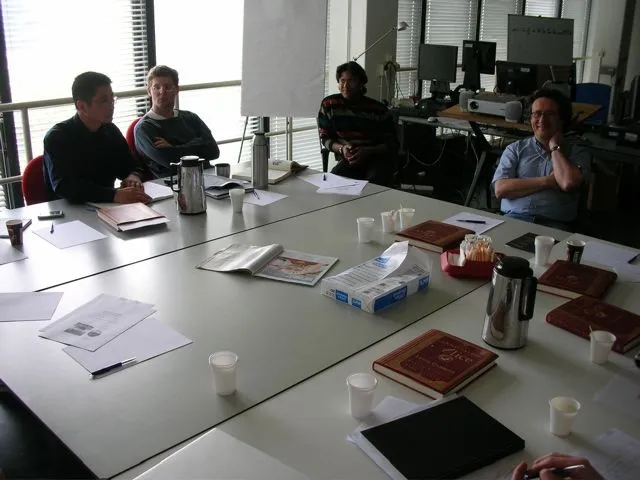
I was project manager and developer. I got the project off the ground and found the sponsors, and I led the sessions in the project space with Tijn Kooijmans, Dzmitry (Dima) Aliakseyeu, Jun Hu, Matthias Rauterberg, Ben Salem and others.
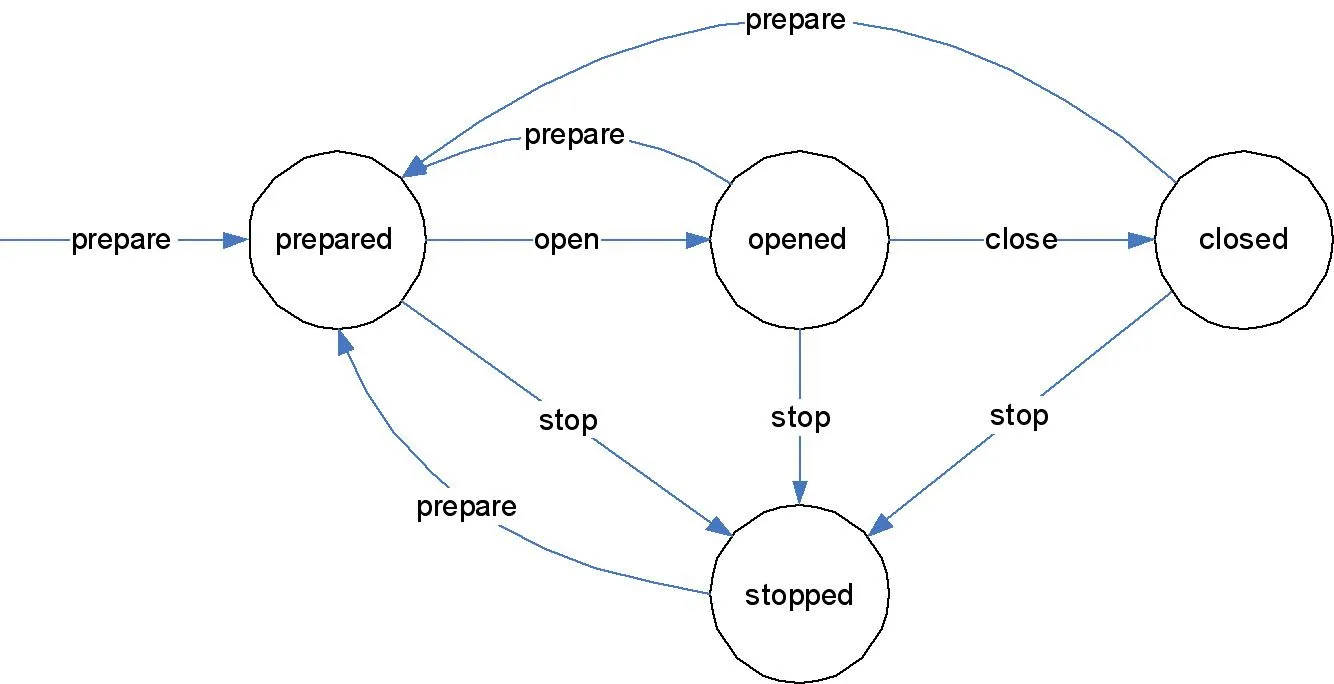
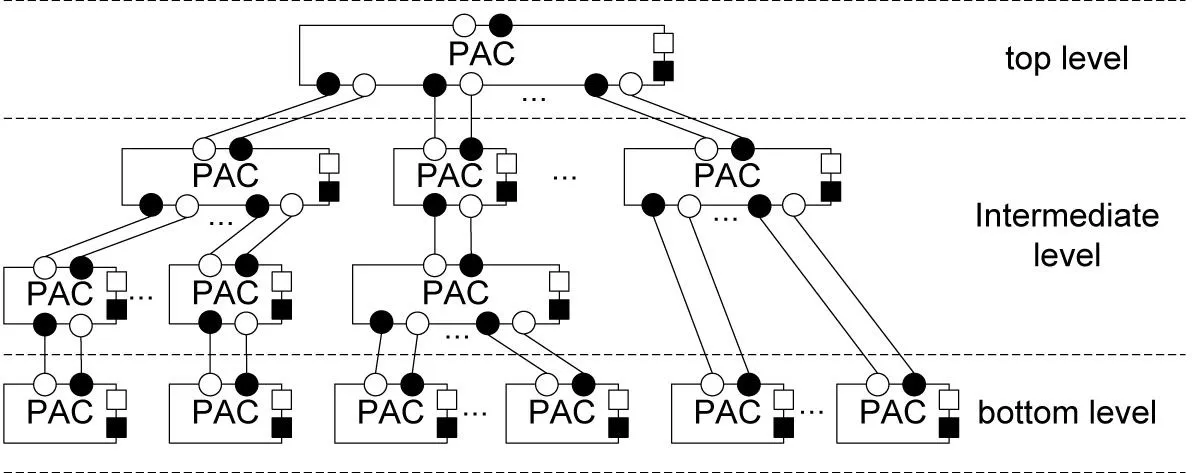
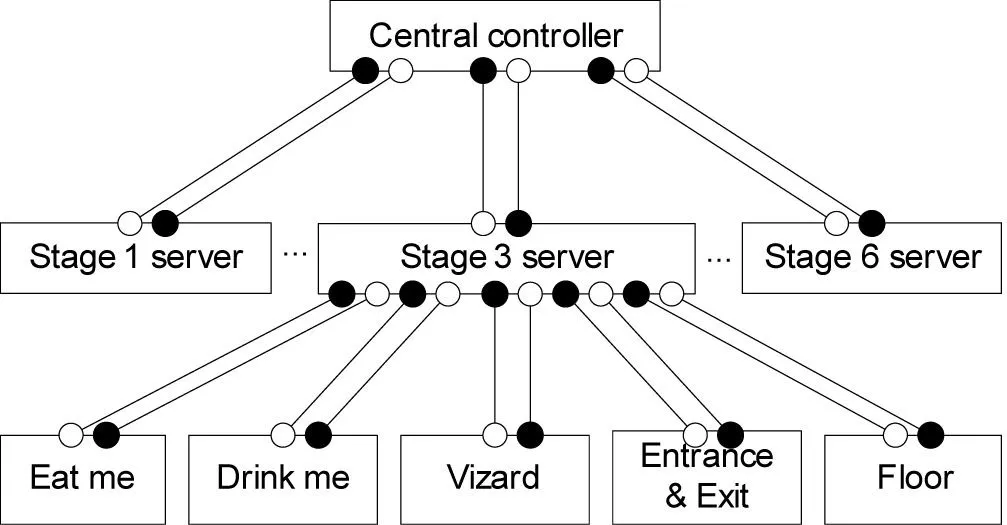
My own build was the server. Every stage had computers with hardware sensors, and a Shockwave Multiuser Server (SMUS) joined them into one network. The visitor and their behaviour were tracked from stage to stage, so that the installation could anticipate and respond.
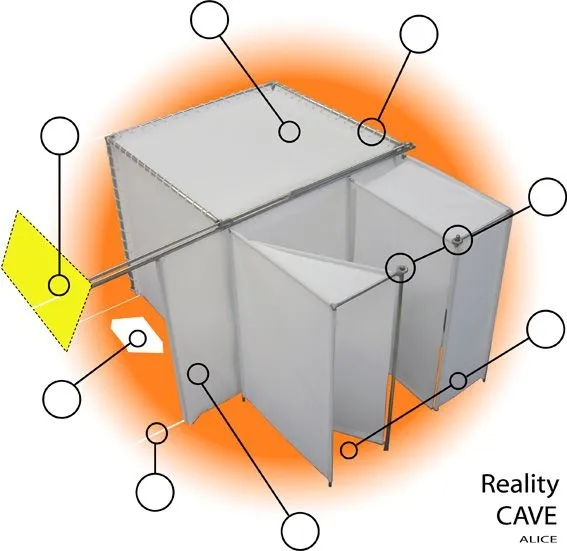
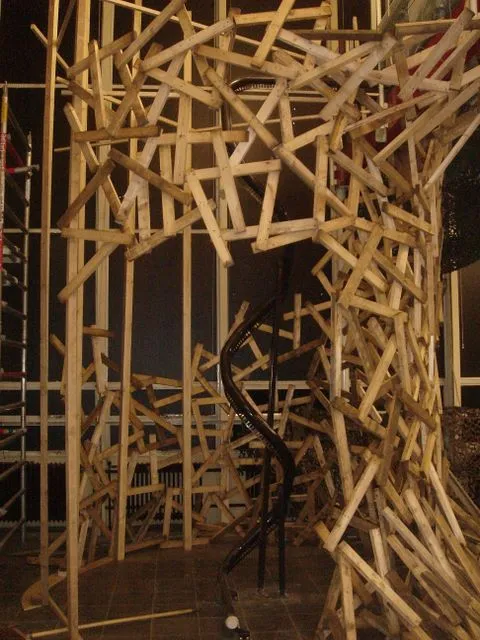
I was also involved in thinking up and realising the concepts for the stages themselves, such as the CAVE (cave automatic virtual environment) with its sliding doors and controllers, the stair lift, the walk in the park and the chat with the Cheshire cat. Many different things were asked of me, in technology and research and across disciplines, which was great.
The six stages
- In the park
- Down the rabbit hole
- Eat-me and drink-me in the hall
- The pool of tears
- Advice from a caterpillar
- Chat with the Cheshire cat
The state of the visitor is measured with a questionnaire in the first stage and again after the last.
The project’s own site is still standing: alice.id.tue.nl.
The installation, on film
What came of it
Microsoft Research in Cambridge approved the funding in March 2006, and the project started that April. I managed it through its first months. Jun Hu took over for 2006 and 2007, and Ben Salem for 2007 and 2008. A year in, most of the hardware for the six stages stood, and some of the software.
Then it became what it was built to be, a place to run experiments. The first was finished in April 2008. In 2009 the whole installation moved to a new location, and stages 3 and 1 were rebuilt in 2011 and 2012. Experiments ran until January 2014. In September 2014 the installation was dismantled and put into storage.
Eight years of research came out of it. The project’s own site lists thirty-one publications, among them:
- Hu, Bartneck, Salem and Rauterberg, “ALICE’s adventures in cultural computing”, International Journal of Arts and Technology, 2008.
- Van Aart, Bartneck, Hu, Rauterberg and Salem, “How to behave as Alice in Wonderland: about boredom and curiosity”, Entertainment Computing, 2010.
- Nakevska, Hu, Langereis and Rauterberg, “Alice’s adventures in an immersive mixed reality environment”, ISMAR 2012.
- Nakevska, van der Sanden, Funk, Hu and Rauterberg, “Interactive storytelling in a mixed reality environment: the effects of interactivity on user experiences”, Entertainment Computing, 2017.
Who paid for it
Microsoft Research in Cambridge, with the departments of Industrial Design and Electrical Engineering at Eindhoven University of Technology. The sponsors were Orsouw Kunstgras, a supplier of artificial grass, ThyssenKrupp’s stair lifts, and DvdM-interactive.
Team
As the project’s own site lists it, over all the years it ran.
- Sjriek Alers, electronics and stage operator
- Dzmitry (Dima) Aliakseyeu, electronics
- Chet Bangaru, mechanics and stage operator
- Christoph Bartneck, user testing and stage operator
- Marco Combetto, Microsoft Research, Cambridge
- Razvan Cristescu, electronics and stage operator
- Jun Hu, system architecture, project manager 2006 to 2007, system manager from 2009
- Elco Jacobs, student assistant, electronics
- Joran Jessurun, technical support for the cave projection
- Tijn Kooijmans, stage 5 design, project assistant
- Geert Langereis, stage 5, hardware expert
- Hao Liu, information architecture
- Marija Nakevska, system architecture
- Jifei Ou, stage 1 redesign
- Jeroen Peerbolte, stage 4 animation
- Matthias Rauterberg, project leader
- Ben Salem, electronics, stage operator, project manager 2007 to 2008
- Christoph Seyferth, artist, craftsmanship, cave construction
- Vanessa Sawirjo, programming
- Joran van Aart, stage 1 redesign
- Dirk van de Mortel, project manager 2006, interactive multimedia
- Geert van den Boomen, electronics and stage operator
- Ton van der Graft, electronics
- Arrens van Herwijnen, stage 1, robotics
- Tijn van Lierop, stage 6 design, animation
- Chee Fai Tan, mechanics and stage operator